Vigie, the film
Product demo16:9
The motion design film of Vigie: five copies of the same dev server, then a single supervisor that holds one live state.
See the product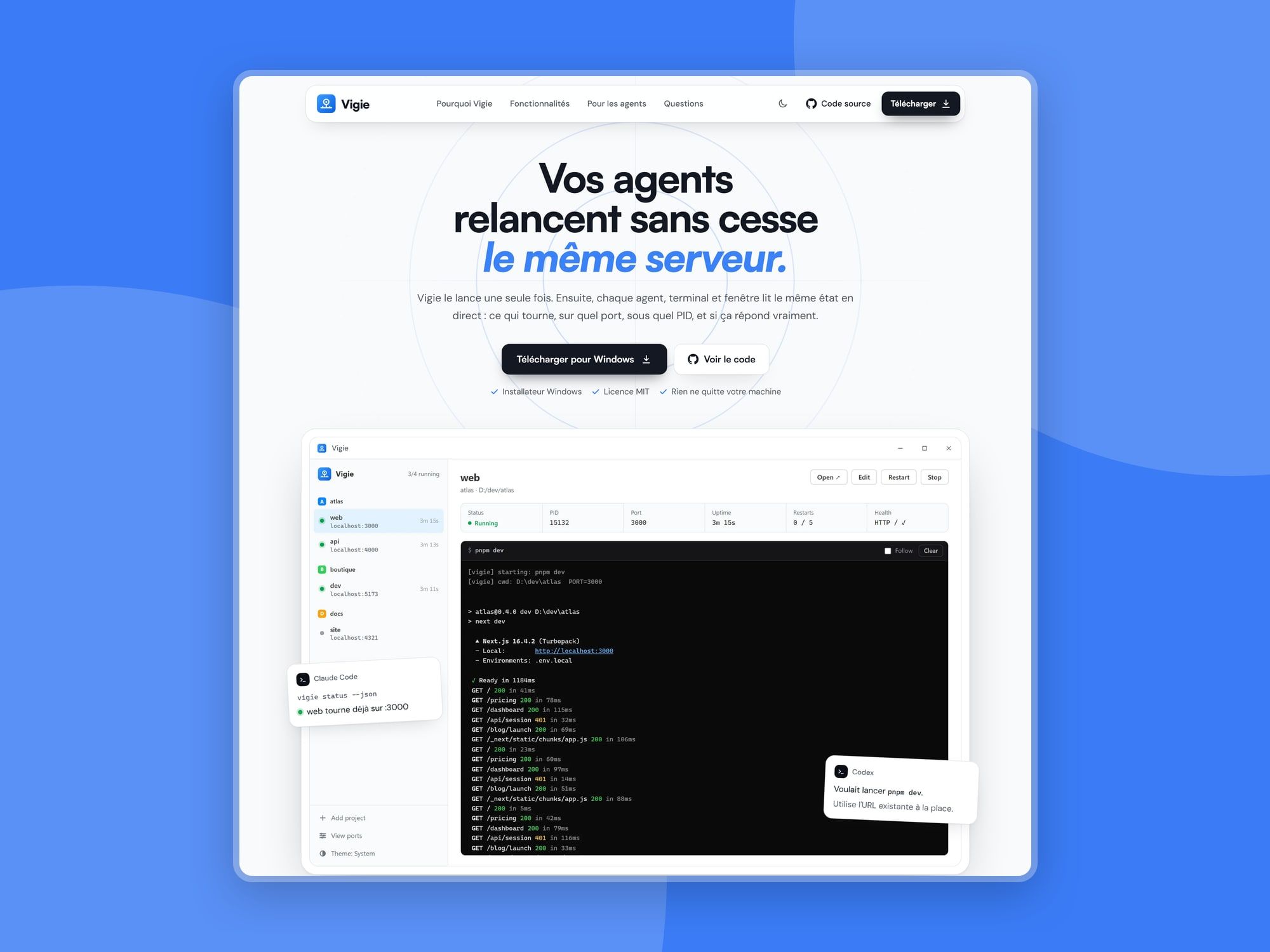
I design and render product films without opening After Effects. A storyboard written bar by bar, a scene engine in JavaScript, a frame by frame capture, a soundtrack locked to the same grid. AI writes the code. It does not choose the film.
Each film stages a product I built, with its real screens, its real colors and its real words. They run muted: the sound sits in the player controls.
Product demo16:9
The motion design film of Vigie: five copies of the same dev server, then a single supervisor that holds one live state.
See the productProduct demo16:9
The motion design film of Tara Card: the tap, the profile and the payment, told in a few seconds.
See the product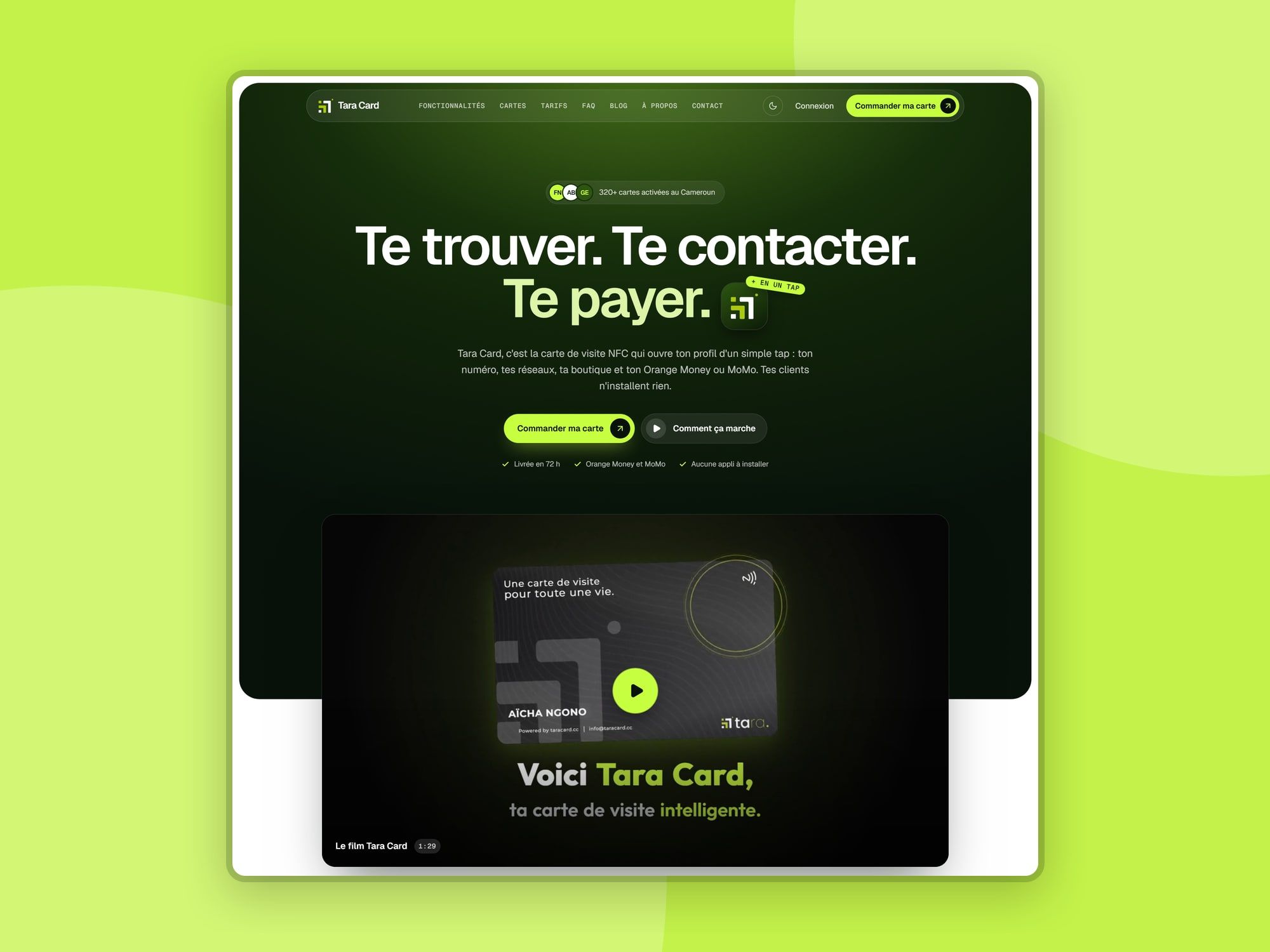
Birthday film9:16
A vertical birthday film: the photos of the person celebrating, a stage of lights and confetti, and her name across the frame.
See the film page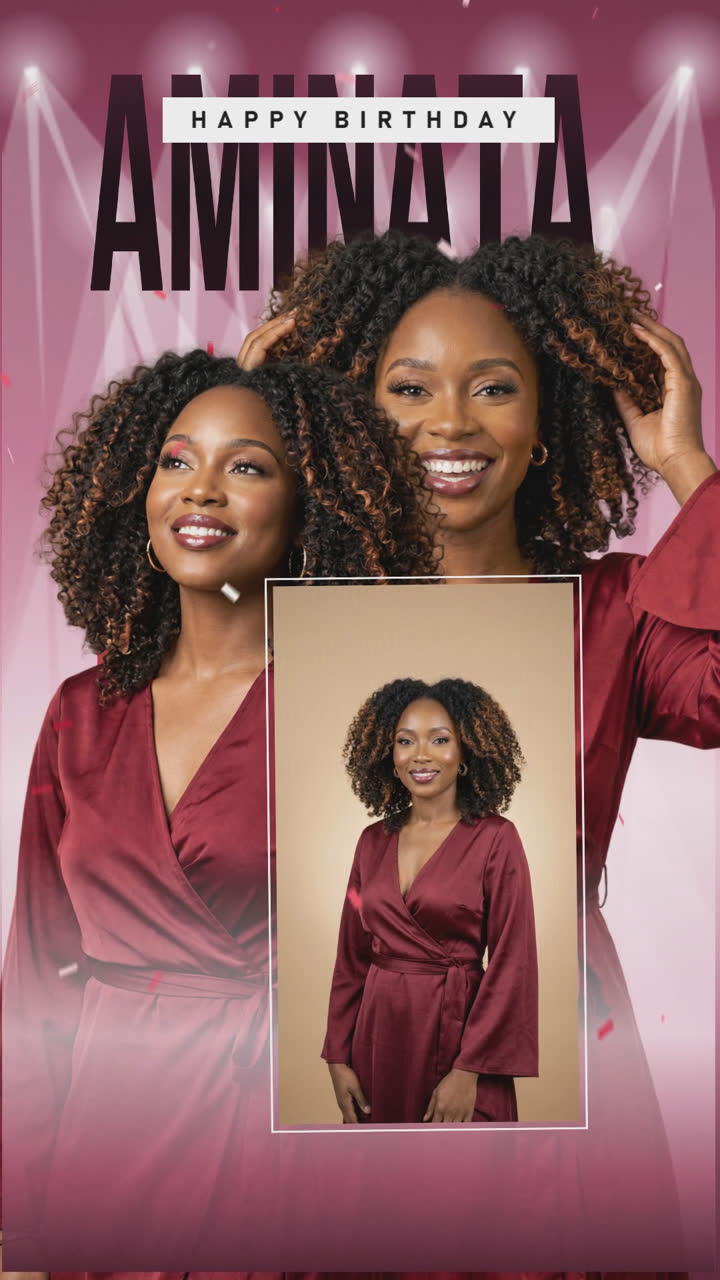
Ad spot9:16
Promotional video for Heyama, made to get women to download the app: a very secure space where they can meet the man of their life.
See the film page
Ad spot16:9
Ad spot for Objectif Canada, the platform that puts the exam before the exam: TCF, TEF and IELTS rehearsed under real conditions.
See the film page
Ad spot16:9
Ad spot for PowerLink Cameroon, a supplier of energy, telecom and network equipment: how to guarantee an installation, and the range that answers the question.
See the film page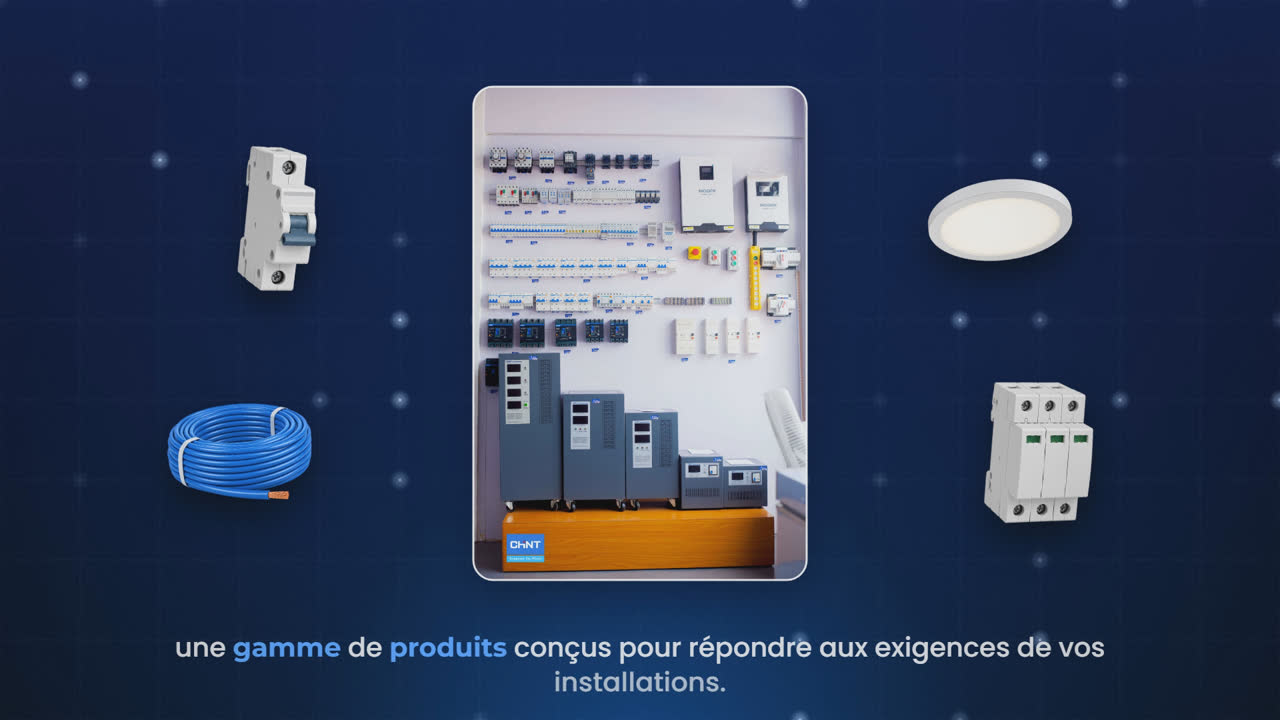
Played through signed links that expire. Nothing here is downloadable.
Four steps, in this order, on every film. Nothing is improvised once the render starts.
The plan is written before the first line of code: the tempo, the number of bars, what happens beat by beat, and how each scene cuts into the next.
Every scene is a function that draws on a canvas. It reads the product's real colors, its real screenshots and its real words, never filler content.
The piece is captured frame by frame at 1920x1080 and 60 frames per second, motion blur included, then encoded into a single file.
The music is synthesized on the grid of the storyboard, with one or two sound effects per scene at most, so picture and sound land on the same beat.
AI-assisted does not mean AI-generated. Here is where the line sits, and it holds on every film.
Tell me what your product does and who it speaks to. I will tell you which film shows it, and how long it takes.